No items in cart
The Power Of Security
In light of the recent energy crisis the government is looking to invest in sourcing traditional and eco-friendly energy sources in the UK. In this article we will look at the various issues around securing the different types of energy facilities and the solutions we have to help.
Why Secure National Power Infrastructure?
Power stations, wind turbine farms, hydroelectric dams, pipelines and other systems used to generate electricity are fundamental to the safety and continued operation of the entire country.
Without power, not only would businesses be unable to work on a basic level, telecommunications, transportation and other dependent forms of infrastructure would also grind to a complete halt.
What makes the energy industry a security target?
A mix of the vital nature of this infrastructure, the high value of certain materials needed to keep them functioning and other environmental factors. Read more below.
How can we help?
We have security products that meet some of the highest physical security ratings globally, including ratings up to LPS 1175 SR6 on single and multipoint products. Find out more about LPS 1175 SR here or click here to see our relevant products.
We have security products that meet some of the highest physical security ratings globally, including ratings up to LPS 1175 SR6 on single and multipoint products. Find out more about LPS 1175 SR here or click here to see our relevant products.
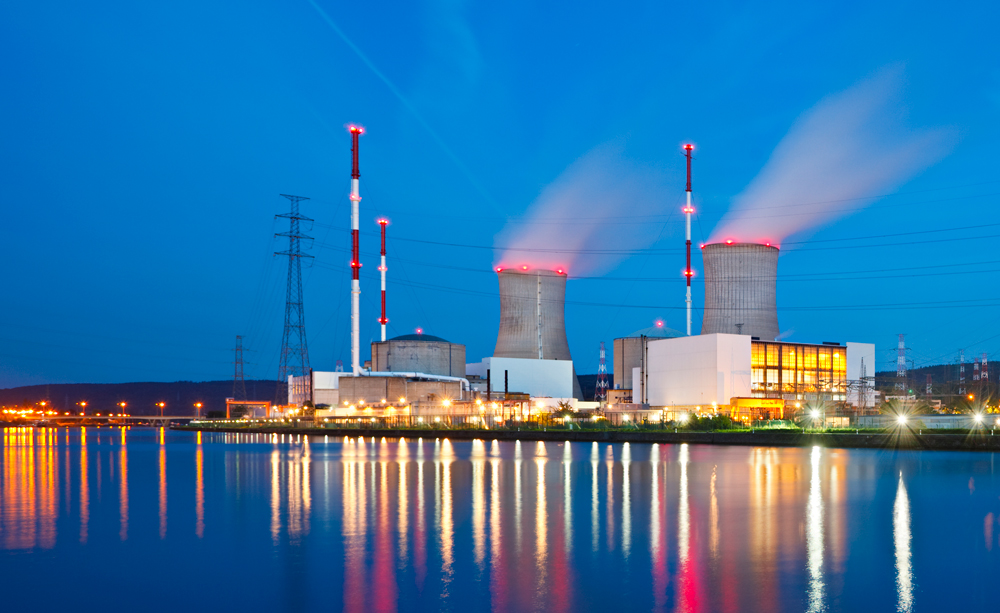
What Makes Securing Power Facilities So Difficult?

There are different factors that can make the national power infrastructure particularly vulnerable and difficult to secure.
Environmental
Certain types of power generation, such as hydroelectricity and tidal require coastal locations, which creates an increased risk of corrosion that any security system must factor in.
Location
Beyond this, power stations are almost always stationed in relatively remote locations, which means that security systems need to be robust, self-contained, self-protecting and with components that can be easily and affordably replaced.
Chemical
Other power stations contain hazardous and corrosive materials that can over time also affect a locking system with inadequate corrosion protection.
Our products are cycle tested up to 1 million cycles to ensure reliability and are tested to the highest levels of corrosion resistance EN1670:GR5. We also conduct regular internal testing and ongoing development of all of our product ranges.
Maintenance plans and emergency call-outs are available to ensure consistent operation 24/7, 365 days of the year.
Read more about service and support here.
Why Are Power Stations A Target?
In terms of physical entry attempts, it is important to understand that the motivations for breaking into a power station can vary considerably, from sabotage, terrorism and other high-end goals, to much smaller scale acts of opportunistic crime.
Valuable Materials
Precious metals such as copper, aluminium, lead and other metals that are relatively easy to sell are taken by opportunists, often at considerable risk to their health and the health of the wider community.
Other Valuable Assets
There are other potential targets in power plants, such as valuable power tools, monitoring equipment, personal effects or to set up systems to siphon and steal electricity which could pose a danger to people based on the site.
Terrorism
Targeting a power facility could cripple the country and so the whole energy infrastructure needs to be capable of deterring and withstanding acts of terrorism.
We have tested our products to ensure they can withstand fire, blast and ballistic situations. You can read more about the performance of our products here or watch testing videos here.
How do you protect employees if the unthinkable happens?
Thankfully, emergencies within energy facilities don't happen too often but it is necessary to be prepared for when they do.
If a fire breaks out, the internal walls, doors, windows and locks need to be capable of withstanding these extreme events to allow people to escape safely.
Locking mechanisms need to find the right balance between being secure from the outside and allowing for quick exit from the inside in the event of an emergency.
We have tested our products to ensure they can withstand fire, blast and ballistic situations without sacrificing life safety. You can read more about the performance of our products here or watch testing videos here.

FIRE
BALLISTIC
SAFETY
BLAST
CORROSION
What solutions are on offer for securing the energy infrastructure?
A power station security system needs to be easy to install, robust, long lasting and foolproof, as regular repairs are not always practical.
To this end, we have curated a list of just some of our high-security, corrosion resistant, adapatable products that can meet the needs of wind turbines, power stations and other vital parts of our energy infrastructure.
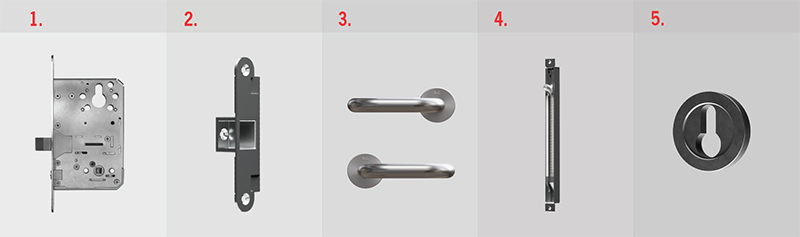
Tindall Engineering’s flagship lock, the Abryll is one of the only single point locks in the world to receive an LPS 1175 SR6 security rating when fitted to selected doorsets.
This makes it a formidable adversary when fitted to exterior doorsets, and its grade 5 corrosion resistance means that it can withstand not only everything a saboteur can throw at it but everything nature can throw at it too.
The Abryll range comes complete with a multitude of operations and functions, making it an extremely versatile lock and an ideal solution for an array of locations. Not only is it a security approved lock, the Abryll also provides life safety accredited entry and exit options.
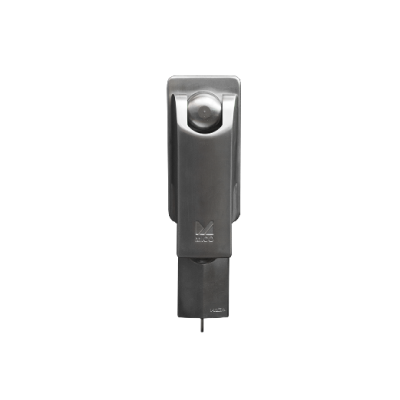
Padlockable security systems are exceptionally popular for use in substations, terminals and parts of the energy network where there needs to be a strong lock that can be easily removed and replaced to enhance security.
One problem that can arise from this, however, is that if a padlock is used on one side of the door to stop it from opening, there is no way to escape from the other side.
Enter the MICO Hasp and Staple. Allowing for a secure external lock without compromising the panic escape functionality of the internal locking system, the MICO Hasp and Staple also protects the padlock from environmental corrosion thanks to a 316-grade stainless steel cover.
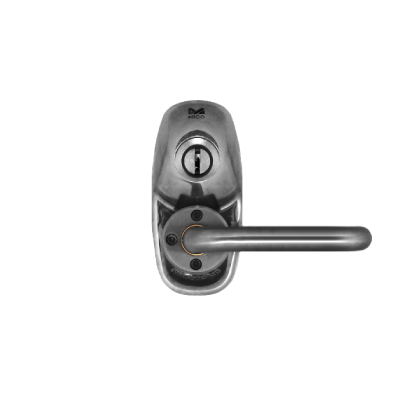
The ELK Lite is a lockable external handle that can provide external locking support up to a rating of LPS 1175 SR3 without affecting the emergency escape function of the internal locking system.
This means that the ELK Lite can be added to a door with a panic escape system, such as our MSR, to create a system that is secure on the outside but with single action escape on the inside, and can be retrofitted to existing locks.
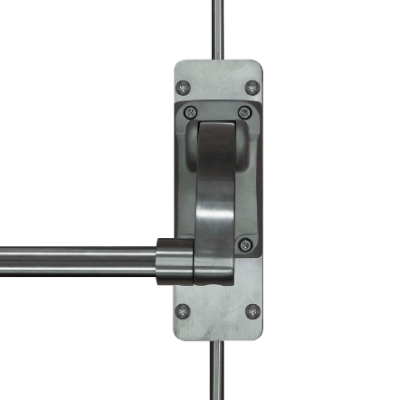
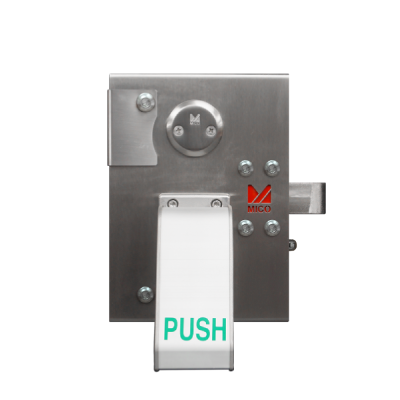
A critical part of our life safety lineup, the MSR range of surface mounted, Panic and Emergency escape systems provide a vital, easy to use and highly secure escape route for perimeter doors and emergency exits.
The single-handed action is designed to meet the BS EN 179 and BS EN 1125 standards for emergency exit apparatus, with options for push pads, push bars and lever handles depending on the situation.
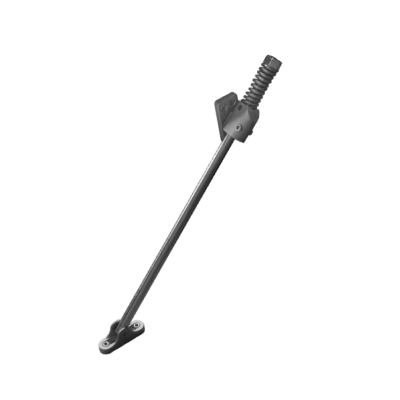
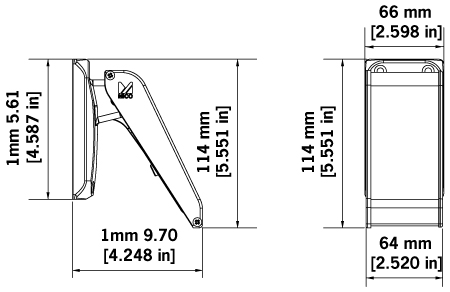
MICO’s range of heavy duty door stays is designed to be easily adjusted on site, allowing for variable torsion control and different opening angles. They are manufactured from a robust stainless steel construction.
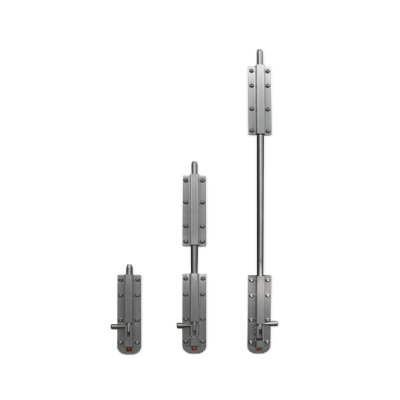
Designed as an ancillary system to complement our range of high-security locking systems, the MICO High Security Tower Bolt range is robustly manufactured from stainless steel to add enhanced security to external doors.
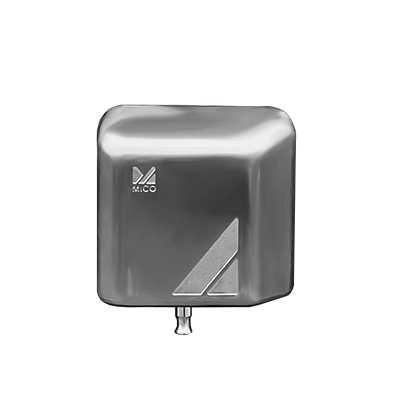
The Navis-Shield is a bespoke shielded lock, developed to protect against physical attack and environmental factors. With enhanced attack protection, concealed key cylinders and weather resistance, it’s an ideal solution for remote and hostile environments.
Securing Energy Facilities Summary
Why are energy facilities a target?
There are lots of reasons for attempted breakins. High value materials and assets on site, terrorism, sabotage and even the theft of energy.
What makes the energy infrastructure vulnurable and dificult to secure?
What solutions are available to secure the energy sector?
For more information, expert advice and assistance, get in touch with one of our security experts today.